

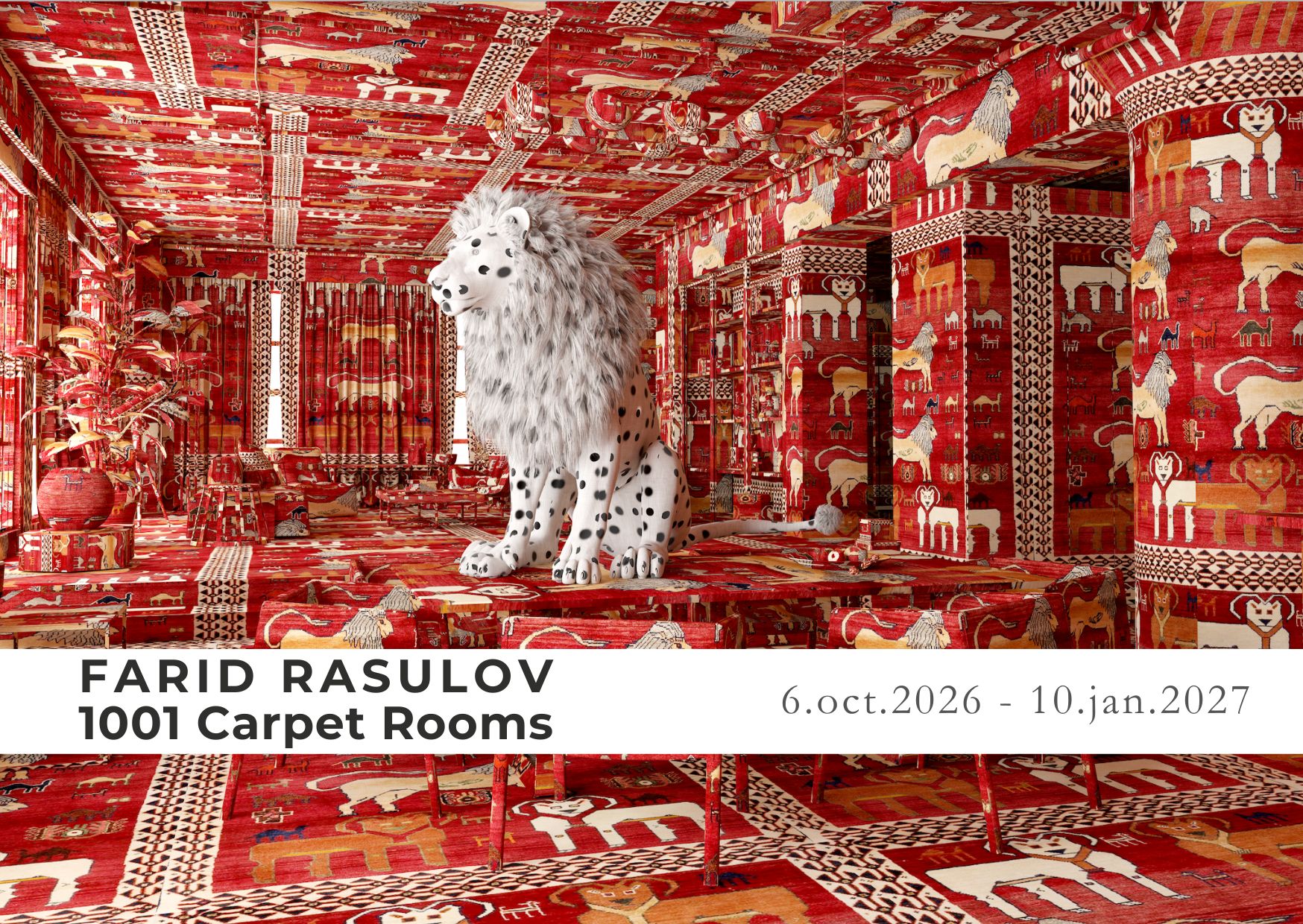
Farid Rasulov is a multidisciplinary artist based in Baku. Trained as a doctor, he turned to contemporary art after graduating from Azerbaijan State Medical University. His practice encompasses installation, sculpture, painting, photography, 3D and digital image-making, animation, and textile-based work.
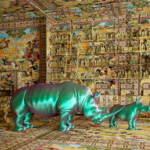
Rather than developing a fixed visual language, Rasulov works across media and draws extensively from the world around him. Everyday objects, domestic environments, architectural forms, animals, food, ritual, ornament and traditional crafts become recurring subjects and materials. His works often begin with things that are immediately recognisable, which he then shifts through changes of scale, repetition, material, context or function.
Rasulov represented Azerbaijan at the 53rd Venice Biennale in 2009 and at the 55th Venice Biennale in 2013. He has since exhibited internationally in museums, biennales, galleries and public art projects across Europe, the United States, the Middle East and the Caucasus.
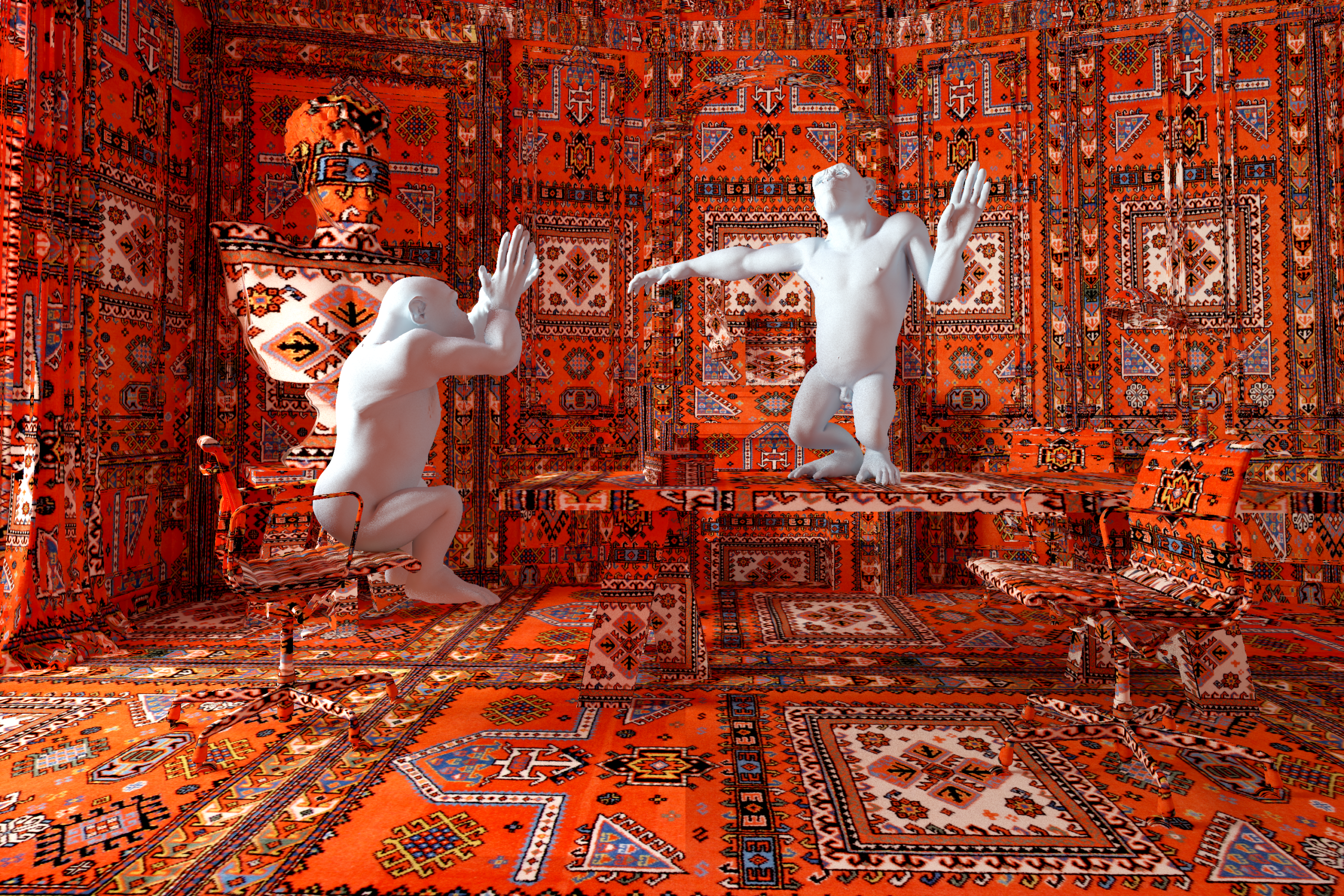
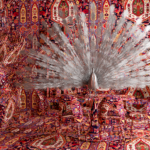
The geographical and cultural specificity of his practice remains important. Azerbaijani domestic life, the rapidly transforming urban landscape of Baku, traditional carpet ornament, food, ritual and local craft traditions provide a rich source of material. At the same time, Rasulov deliberately places these references in dialogue with other visual and cultural systems, making his work difficult to contain within a single category of identity or tradition.
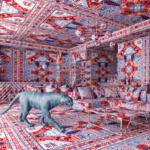
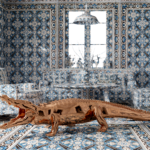
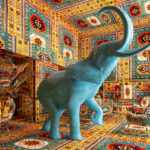
His medical training offers another perspective on his practice. Medicine is a discipline of observation, classification and dissection: of looking beneath appearances, isolating elements and examining relationships between seemingly separate systems. A similar impulse can be found in Rasulov’s work. Rooms are broken down into surfaces, furniture and inhabitants; patterns become environments; rituals are separated into objects, bodies and gestures; everyday tools can acquire entirely different forms and functions.
This movement between the familiar and the unexpected is central to Rasulov’s practice. A domestic object can become sculpture, an interior can become an image, an ornament can become architecture, and a traditional form can be reconfigured through contemporary technologies.
Leave a Reply